Posts By: Silke

Sheep, Vines, and Oregon Soil: Keeping it Real in the Vineyard

Vine growing at Union Wine Co.'s Vineyard.

Sheep grazing at Union Wine Co. vineyard in Oregon.

At one of our vineyards we’ve brought in some new coworkers who don’t require much training. Earlier this month, we welcomed a flock of 200 sheep to help us between the vines. It’s part of our ongoing effort to make great wine while treating soil with the respect it deserves.

We’ve always believed that the best wines come from healthy vineyards, and healthy vineyards come from minimal intervention. Instead of bringing in machines or chemicals to manage the growth between our vines, we’re letting these woolly workers do what they do best. It’s straightforward, effective, and honestly, way more fun to watch.

From Cover Crop to Clean Rows

Every fall, we plant cover crops between our rows—plants that help protect and nourish Oregon’s soil through the rainy season, prevent erosion, and create homes for beneficial insects.

But when spring hits and our vines wake up, we need those resources going to the grapes not competing with new vines that need all the focus going to their growth. Enter the sheep—nature’s lawn mowers with built-in fertilizer spreaders.

    Union Wine Co' Vineyard

Union Wine Co. Vineyard in Oregon.


Why Sheep Just Make Sense

The sheep aren’t just cute (though they definitely are,) they’re actually perfect vineyard partners:

  • They tread lightly: Unlike heavy equipment that compacts soil, sheep move gently through the vineyard without damaging the earth or vine roots.
  • They fertilize as they go: Each sheep deposits perfectly sized, organic fertilizer exactly where we need it. Can’t get more local than that.
  • They’re selective eaters: The sheep clear the cover crop while leaving the vines alone—precision work that would be tough with machines.
  • They reduce our carbon footprint: Less mowing means less fuel burned, which means better drinking weather in the future. (We care about that sort of thing.)

The Sheep Squad in Action

We worked with Jared of Naked Grazing, a local shepherd who knows his stuff when it comes to regenerative agriculture. Together, we section off about two acres at a time with portable fencing. The flock clears an entire section in just 1-3 days before moving to the next.

One day you see a field of lush cover crop, and a few days later, it’s all neatly trimmed and ready for vine growth.

Baby Lambs and New Vines

This spring brought a bonus to our vineyard. In an area where we recently planted new vines, some of the ewes welcome their lambs into the world. There’s something pretty special about seeing new life begin among young vines—both representing fresh starts and future potential.

These newest members of the flock took their first wobbly steps between our vineyard rows at the end of April, creating a moment that perfectly captures what we’re all about—working with nature, not against it.

Old Ways, New Wine

Working with Naked Grazing represents exactly what we’re all about at Union—finding simple, smart solutions that respect Oregon’s land while making great wine everyone can enjoy.

Sometimes the most innovative approaches are actually the most traditional. By bringing sheep back to the vineyard, we’re tapping into centuries-old farming wisdom while producing wines that speak authentically of this place. We think that’s pretty cool—and exactly the kind of real, honest approach to winemaking that makes Oregon special.

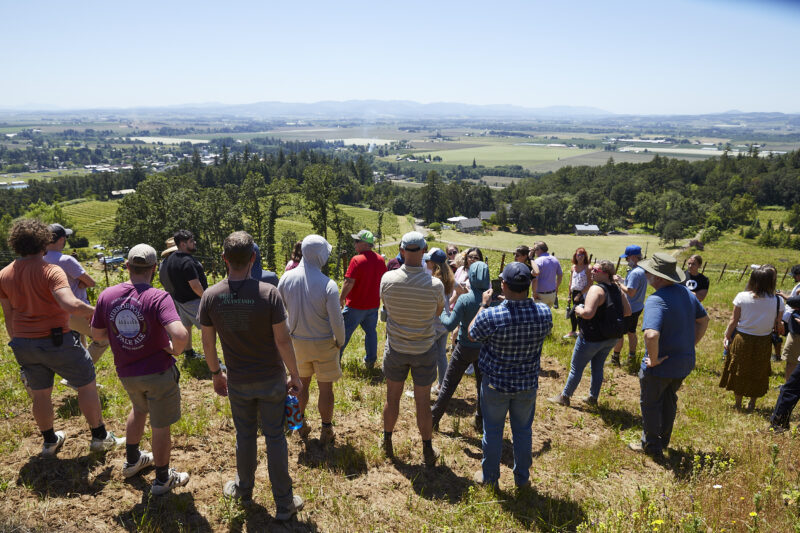
Union Wine Co. Vineyard in Oregon.

Announcing B Corp Certification

Union Wine Co. announces B Corp certification

We are thrilled to share our achievement of becoming B Corp certified.

With this significant milestone, we join a global movement of businesses that meet the highest standards of verified social and environmental performance, public transparency, and legal accountability to balance profit and purpose.

B Corp certification is a rigorous process that evaluates a company’s performance across five key areas: governance, workers, community, environment, and customers.

Our commitment to sustainability and ethical business practices has been a part of our ethos since our founding in 2005. The business, and everything we do, is committed to considering the environment while working to minimize our impact wherever we can. From sourcing grapes from environmentally responsible vineyards to implementing energy-efficient production processes along with being the largest producer of wine packaged in 100% recyclable aluminum cans, we have prioritized reducing our environmental footprint while fostering a culture of inclusivity and fairness within our workforce and community.

Ryan Harms, our founder, says “We are thrilled to announce our B Corp certification, which reflects our unwavering dedication to making a positive impact on the world. This achievement is a testament to the hard work and dedication of our team, as well as our ongoing commitment to conducting business in a way that benefits both people and the planet.”

As a B Corp winery in Oregon, we are especially proud to have joined the largest group of B Corp wineries and vineyards in any state or country in the world.

“We believe that business has a responsibility to be a force for good in the world,” says Meredith McGough, Director of Winemaking “Achieving B Corp certification is not only a milestone for our company but also a commitment to continue driving positive change in the wine industry in years to come.”


Oregon B corp certified winery

National Park Inspired Cocktails

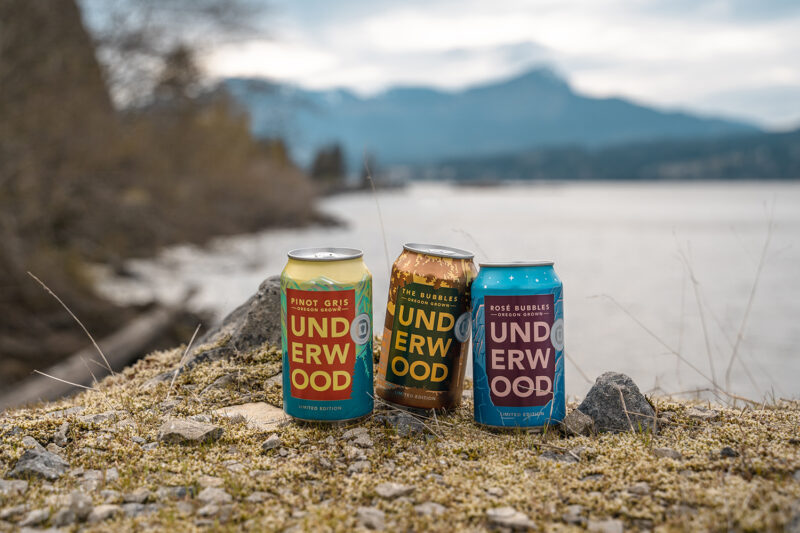
We’re celebrating summer with 3 cocktails you can make with our Underwood limited-edition national park cans, in partnership with the National Park Foundation. Whether you just got back from exploring a national park, or are planning a trip, keep these cocktail recipes handy for a fun afternoon of reminiscing or planning. Like the can designs, each cocktail is inspired by the mountains, water ways, and deserts our cans are showcasing.

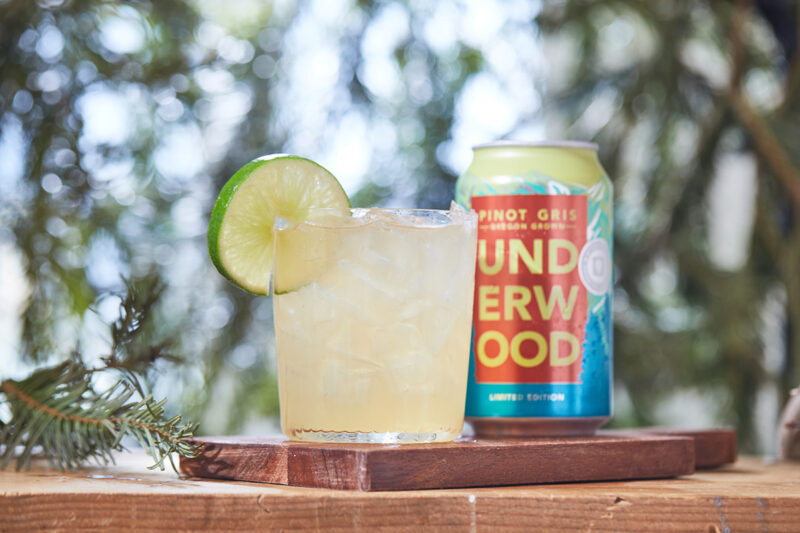
Underwood Pinot Gris Pinecone Punch

Pinecone Punch

(serves 3)

Ingredients

1 can of Underwood Pinot Gris
1/4 cup dry vermouth
1/3 cup gin
Juice from 1 and a half limes
2 oz pine and satsuma syrup
Extra lime slices for garnish

Directions

Add a few handfuls of ice to a pitcher, then add all the ingredients and stir. Add a few ice cubes to each glass and pour in the punch. Garnish with a lime wedge.

Underwood Rosé Bubbles Sparkling Desert Bird

Sparkling Desert Bird

Ingredients

1.5 oz mezcal
.50 oz aperol
.25oz agave syrup and .75 oz pineapple juice (or 1 oz pineapple gum)
Pinch of salt
Underwood Rosé Bubbles

Directions

Shake all the ingredients except the Rosé Bubbles in a cocktail shaker, strain over ice and top with 1-2 oz of Rosé Bubbles.

Underwood The Bubbles Lakeside Spritz


Lakeside Spritz

Ingredients

3 oz of Underwood The Bubbles
1 oz St Germain
Lime juice from 1/2 a lime
1 oz Soda water
Basil and mint

Directions

Add St Germain, lime juice and a few torn herb leaves to a glass. Stir together, add ice and top with The Bubbles and soda water.

How to Recreate Responsibly in the Outdoors

Underwood National Park Foundation Cans

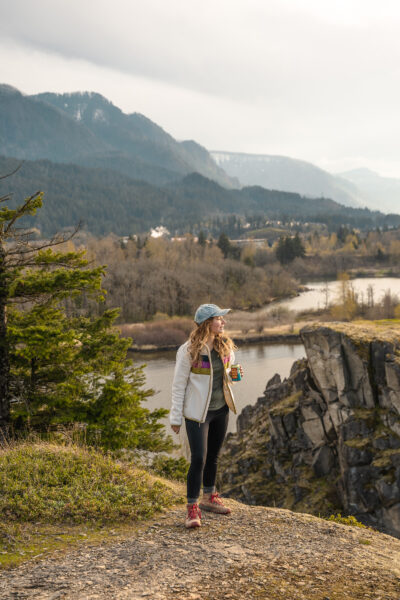
Summer is just about here, and it is time to start planning sunny hiking and camping trips! However, before setting out on the trails, it is important to take a step back and focus on how you can minimize your impact on the land this year. For example, when you’re packing up your Underwood canned wine, don’t forget to pack it out!

Union Wine Company has partnered with the National Park Foundation, the official nonprofit partner of the National Park Service, to launch limited-edition cans for their wins, commemorating the national parks.

The National Park Foundation supports programs and projects that help parks become more sustainable and energy efficient, such as installing water stations, increasing recycling efforts, and investing in renewable energy – and it is important visitors do their part too. It is commonly accepted in the outdoor community that you should always follow the 7 Principles of Leave No Trace on your adventures, and do what you can to keep our parks and nature areas protected.

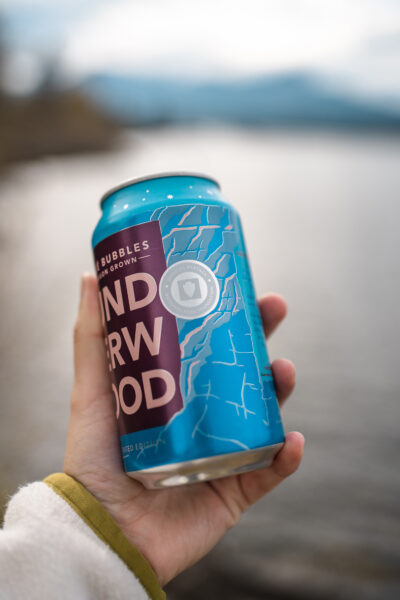
Underwood National Park Foundation Rosé Bubbles

Below are the 7 Principles of Leave No Trace as well as a few other tips to be responsible outdoors.

Plan Ahead & Be Prepared 

Always do some research before your hiking and camping trips. Before visiting a national or state park, it is a good idea to check the park website for any rules or regulations for the area.  This is where you will find information about closures, permits, fees, and pet restrictions.

You should also always check recent trail conditions and weather for the day of your hike. Websites like AllTrails have trail reports from recent hikers to help set expectations for your trip. Being prepared will keep you safe and help you to minimize your impact on the land.

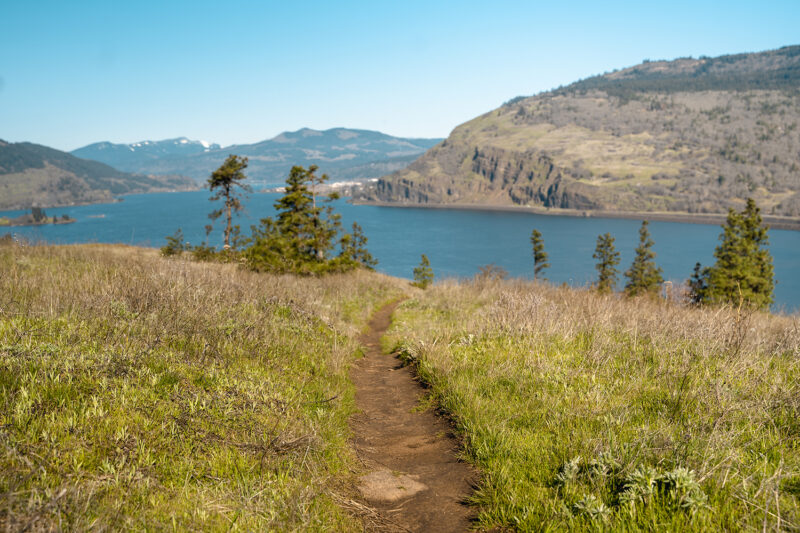
Underwood Recreate Responsibly

Stay on Durable Surfaces 

Always stay on the trail during your hike. Do not wander off the trail as this destroys the land and can impact wildlife’s environment. This is especially important in fragile alpine environments, like Mount Rainier, where plants can take years to recover.

Staying on the trail includes- walking through the mud if it covers the trail, not cutting up switchbacks, and finding wide or durable spots to take breaks. If you are camping, set up your tent on hard-packed dirt where it looks like previous campers have been.

During wildflower season, it can be tempting to wander off the trail for photos. Resist the temptation, and keep the meadows pristine for future visitors. Wildflowers are often still present beneath the surface of the dirt, and stepping off the trail can prevent them from blooming in the  future.

Dispose of Waste Properly 

Whatever you bring on your hike, be prepared to take out. This includes things like peels, apple cores, and dropped food. While food may seem okay to leave, something like a banana can take 2 years to fully degrade and is not native to the environment. Peels and any dropped

snacks can also be bad for local wildlife. Bring something like a small snack bag to pack out any trash.

If hiking with your pet, bring bags and pick up any dog poop. Take it with you on your hike until you can find a trash can to properly dispose of it.

Leave What You Find 

Leave behind anything natural you find on the trail. This includes rocks, sticks, and flowers. It may not seem like a big deal to take a small rock as a memento, but if every visitor did so, it would leave a large impact.

Never pick wildflowers! Leave them for others to enjoy. Some trails also have boot scrubbers at the trailhead to help prevent the transportation of invasive species to the area. If you see one of these, take the extra minute to use it.

Minimize campfire impacts 

If you plan on camping, always check for recent campfire restrictions. Many areas limit campfires during the summer when fire risk is high.

If allowed, use pre-established campfire rings or metal pans. Keep fires manageable, and make sure to completely extinguish them, so they are cold to the touch.

Respect Wildlife 

If you see any wildlife, admire it from a distance. The National Park Service website recommends staying 25-50 yards from most wildlife, and 100 yards from dangerous animals such as bears. Always check wildlife safety in the area you will be visiting.

Never approach or attempt to feed wildlife, even those that seem harmless. Animals can become aggressive if they associate humans with food, and most human food is bad for wildlife. If you are camping, store your food by properly hanging it or putting it in a bear canister or box.

Keep pets leashed where required, and respect rules that do not allow pets in certain areas.

Underwood Wine Voyages with Val

Be Considerate 

When hiking, keep in mind that downhill hikers should yield to uphill hikers, and all hikers yield to livestock and horses.

Be courteous to others and don’t play music from speakers or make excessive noise, so everyone can have a pleasant hike.

Other Ways to be Responsible 

Of course, being responsible goes beyond just following Leave No Trace. Here are a few more ways to help protect the environment when out adventuring.

When posting online about an area, include if there are specific Leave No Trace considerations.

Consider bringing a small bag to pick up trash left on the trail.

Bring an emergency GPS to aid first responders in finding you if something goes wrong.

Educate others about Leave No Trace if you see them behaving inappropriately, or inform a ranger.

Photography and Words by Voyages with Val


Pinot Noir & Radicchio Risotto

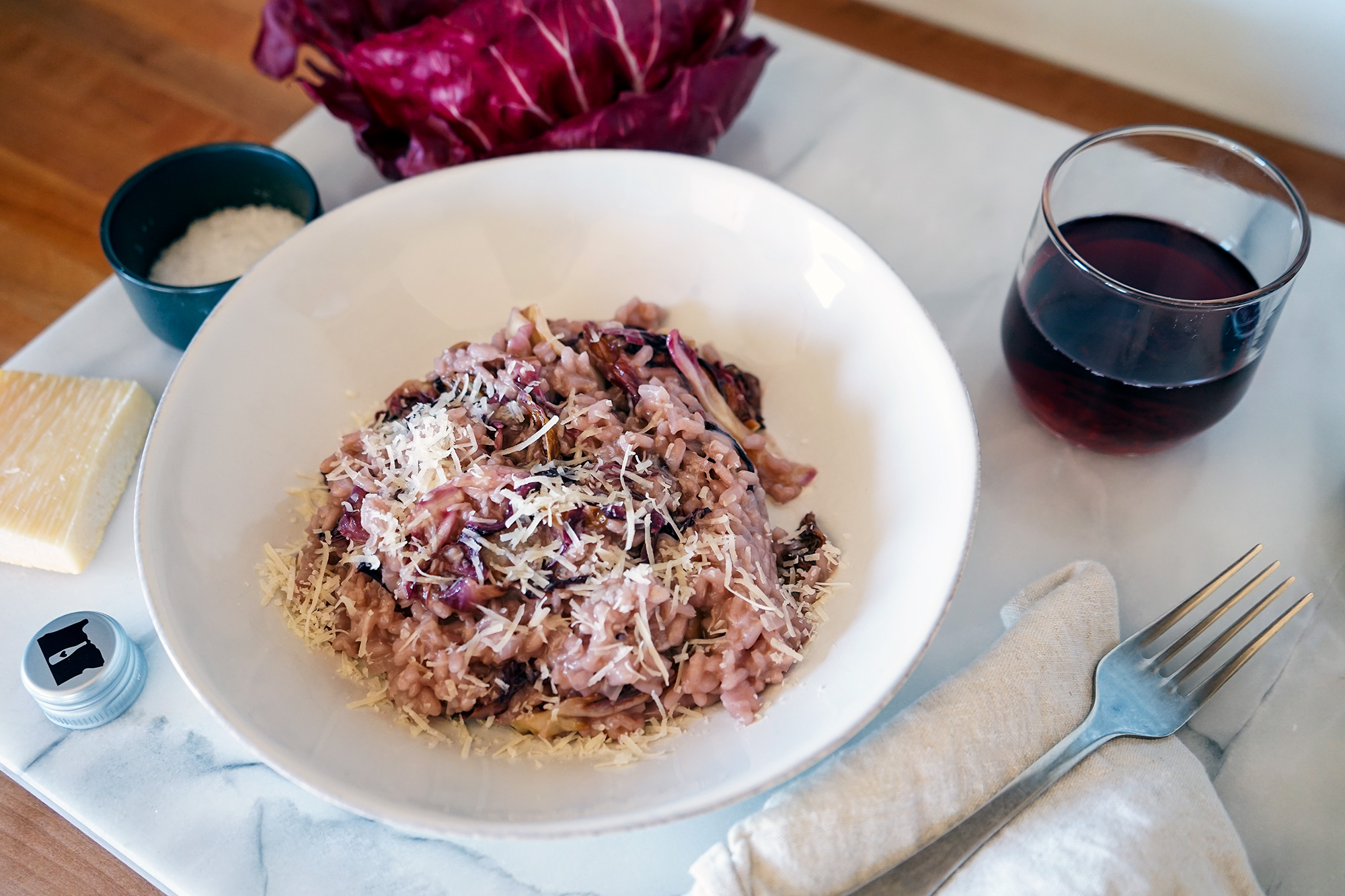
Undewood Pinot Noir Risotto

Most risotto recipes include a bit of white wine to deglaze the pan with, but we found a risotto made with red wine and we love it. This recipe comes from the cookbook Bitter Honey, Recipes and Stories from the Island of Sardinia. They use a local red wine, but we made the recipe with Underwood Pinot Noir. With a small amount of prep work, this dish comes together easily. A perfect dish to share on Valentine’s Day or to help get you through the last of the cold winter months.

Undrewood Pinot Noir Rissotto

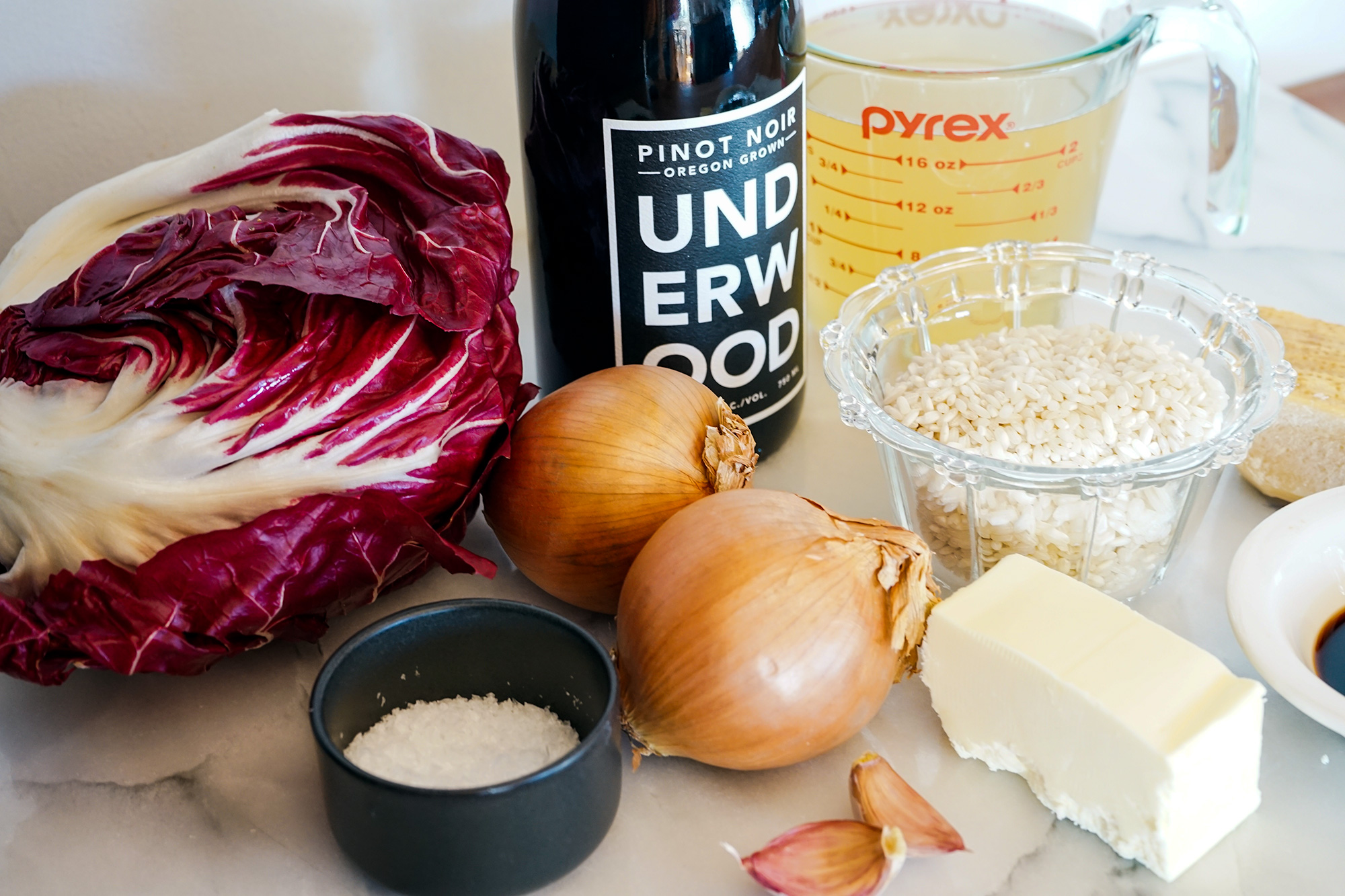
INGREDIENTS:

5 cups chicken stock

2 cups (500mL) Underwood Pinot Noir

10 tablespoons butter

1⁄2 head of large radicchio or 1 small entire head, finely sliced

pinch of sea salt

1 tablespoon sapa or an aged balsamic

2 small white onions, finely diced

2 garlic cloves, sliced

2 cups risotto rice

3oz Parmesan, grated, plus extra to serve

Underwood Pinot Noir Risotto

PREPARATION:

In a deep saucepan over low heat, mix together your stock and wine.

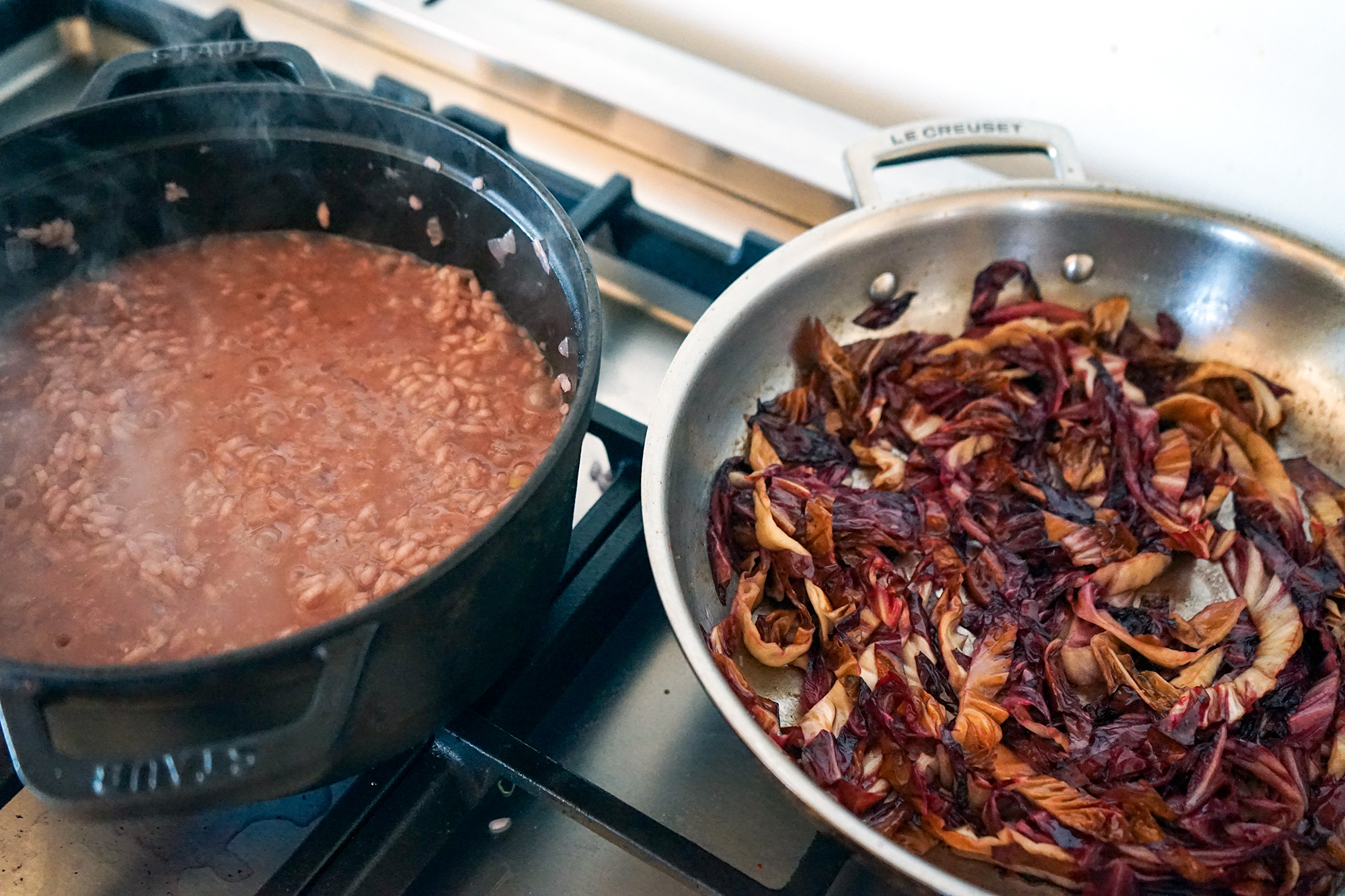
Melt 3 tablespoons butter in a separate saucepan. Reserve a handful of radicchio for decoration then fry the rest until it just wilts. Add a pinch of salt and the vinegar. Continue cooking for a minute or so and set aside.

Melt 4 tablespoons butter in a deep saucepan and fry the onions and garlic gently, until soft and translucent. Add the rice and stir for a minute or so. Add a ladle of your wine and stock mixture and stir until it has been absorbed into the rice. Repeat the process, ladle by ladle, stirring after each addition until the rice absorbs the liquid.

The whole cooking process should take around 17–20 minutes. Once your rice is al dente and the liquid has mostly evaporated, set it aside for the ‘mantecatura’, or ‘creaming’.

With a wooden spoon, beat the rest of the butter with the grated Parmesan. Beat well for a minute or two, until a luscious creamy sauce is formed.

Finally, fold in your cooked radicchio and serve, topped with the reserved raw radicchio for decoration and an extra grating of Parmesan.