Are you 21 years or older?
By entering this site, you acknowledge that you are at least 21 years of age. If you are not, feel free to explore our non-alcoholic products.
By entering this site, you acknowledge that you are at least 21 years of age. If you are not, feel free to explore our non-alcoholic products.
.png)
One of the few B Corp certified wineries in Oregon. The largest canned wine producer in the country. A family-owned company that has never once accepted the idea that doing good and making great wine are in conflict.
Our commitment to the natural world isn't a marketing initiative. It's been embedded in every business decision we've made since 2005. Healthy soil, clean water, and people who give a damn about both. Without those, there's no wine to make.
67%
of our wine is produced in aluminum cans
79%
below industry average water use gallon for gallon water to wine, despite being one of Oregon's largest wine producers
80%
recycled content in our Oregon-made glass, the highest of any U.S. glass facility
B Corp certification isn't a badge you buy. It's a rigorous third-party evaluation across governance, workers, community, environment, and customers, with recertification every three years at an increasingly high bar.
We earned our certification in 2024, and it took that long because the bar is high. The values behind it have been with us since 2005.
Oregon is home to the largest concentration of B Corp wineries of any state or country in the world. Even here, the number is small, and we're one of them. For perspective, California has nearly five times as many wineries as Oregon, and a fraction of the B Corp count. Worldwide, fewer than a hundred wineries have earned it. We don't say this to be congratulatory. We say it because the bar should be higher across this industry, and we think leading by example is the way to raise it.
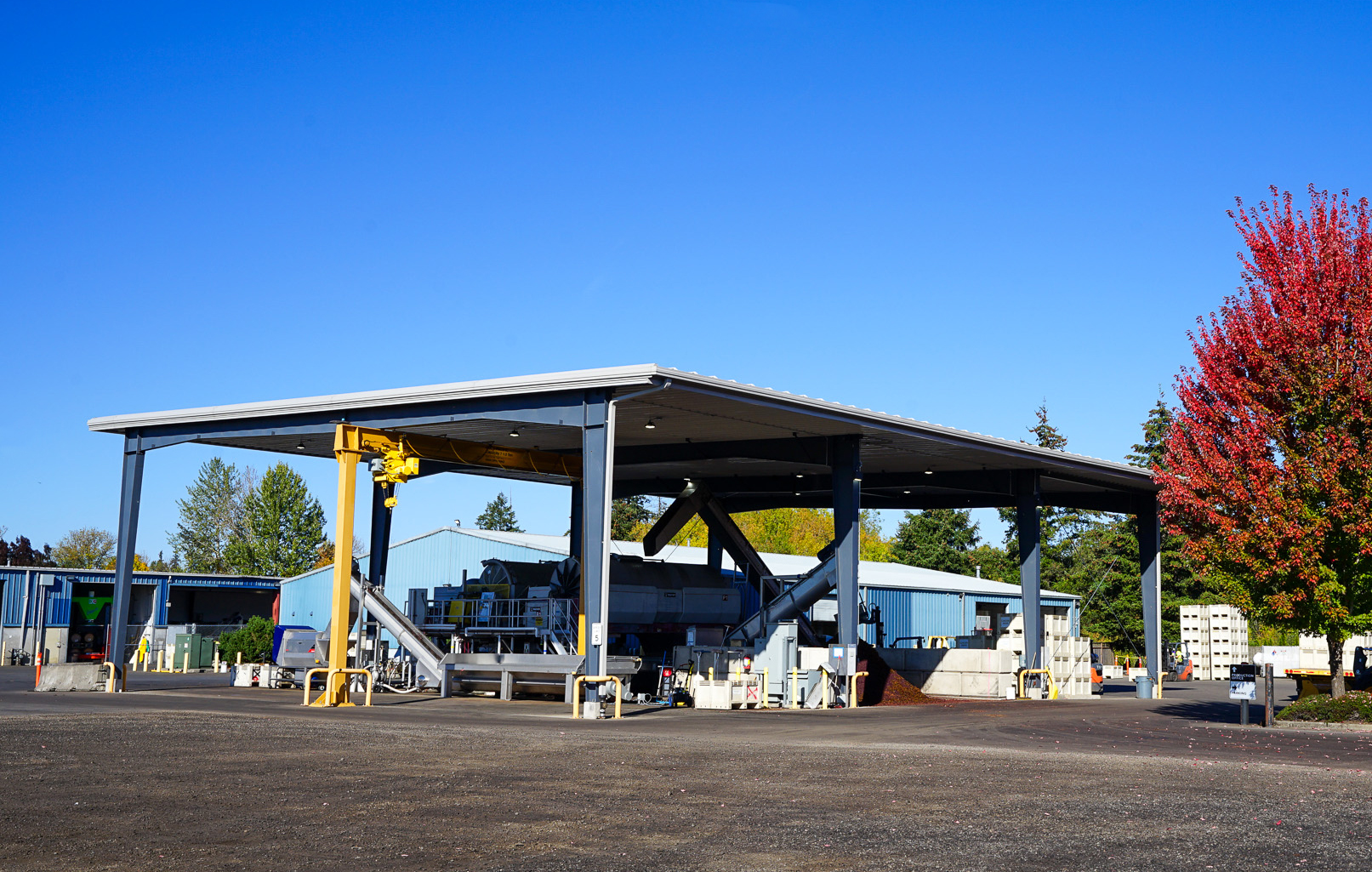
We were among the first wineries in the country to put quality wine in aluminum cans. That was over a decade ago, when plenty of people thought it was a bad idea. Today, two thirds of what we produce is in cans, and we've built the largest winery-dedicated canning facility in the United States; running at 200 cans per minute, with full quality and sustainability oversight because we run the facility as part of the broader winery operation.

We didn't do this because it became trendy. We did it because aluminum is genuinely better for the environment than glass, and because accessibility isn't just about price.
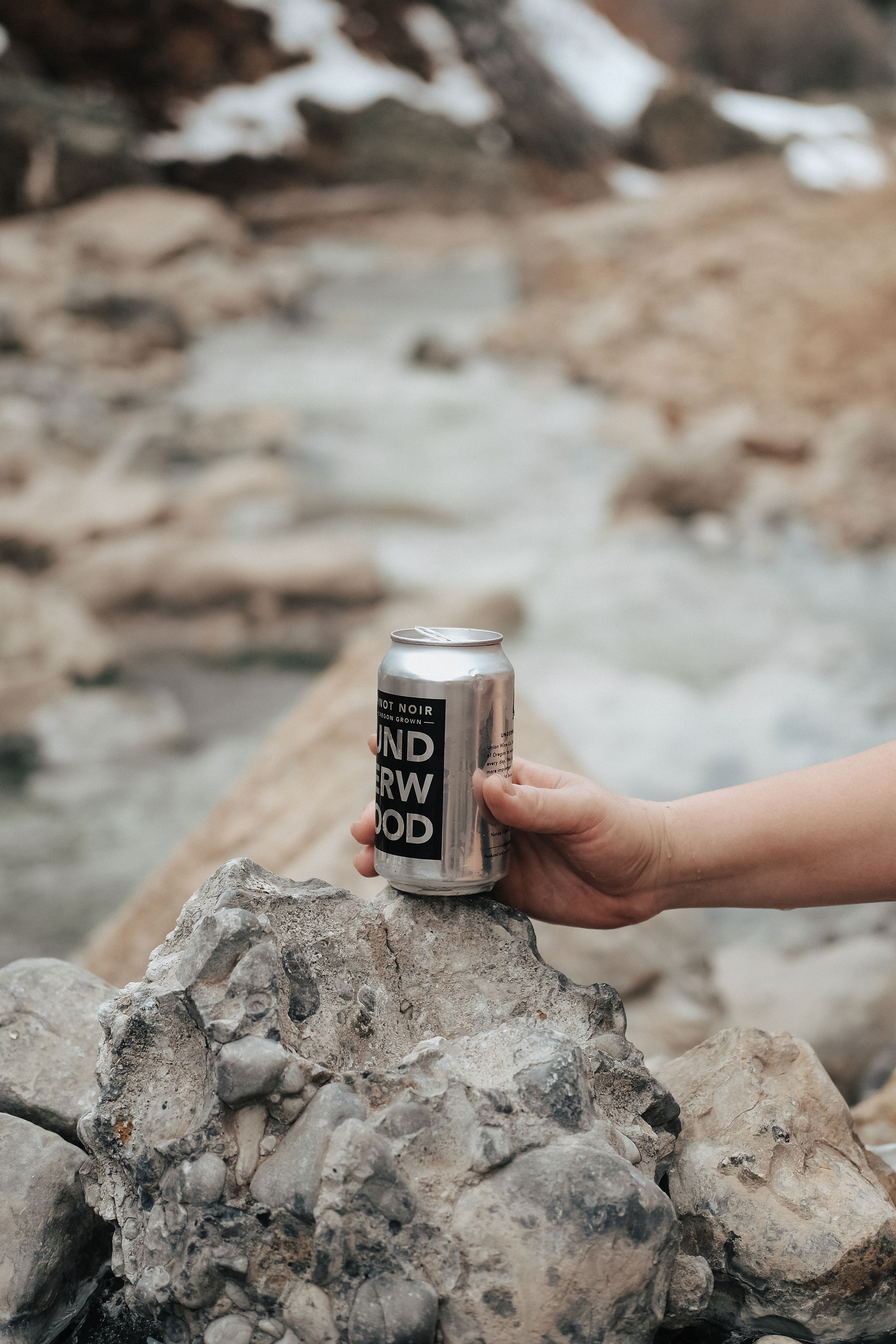
The environmental case
Aluminum is infinitely recyclable without any loss of quality. A 9-liter case of cans weighs 21 lbs compared to 36-50 lbs for glass — a 42% or more reduction that puts 50% fewer trucks on the road for the same volume of wine. Glass packaging accounts for roughly 60% of a typical winery's carbon footprint. We've dramatically reduced ours. We're also working to further reduce our glass weight by another 13% and have been trialing re-fillable glass bottles.

The Accessibility case
Cans go where glass can't: the trailhead, the campsite, the boat, the concert. They're cheaper to make and cheaper to ship, and that value gets passed to the people drinking the wine.
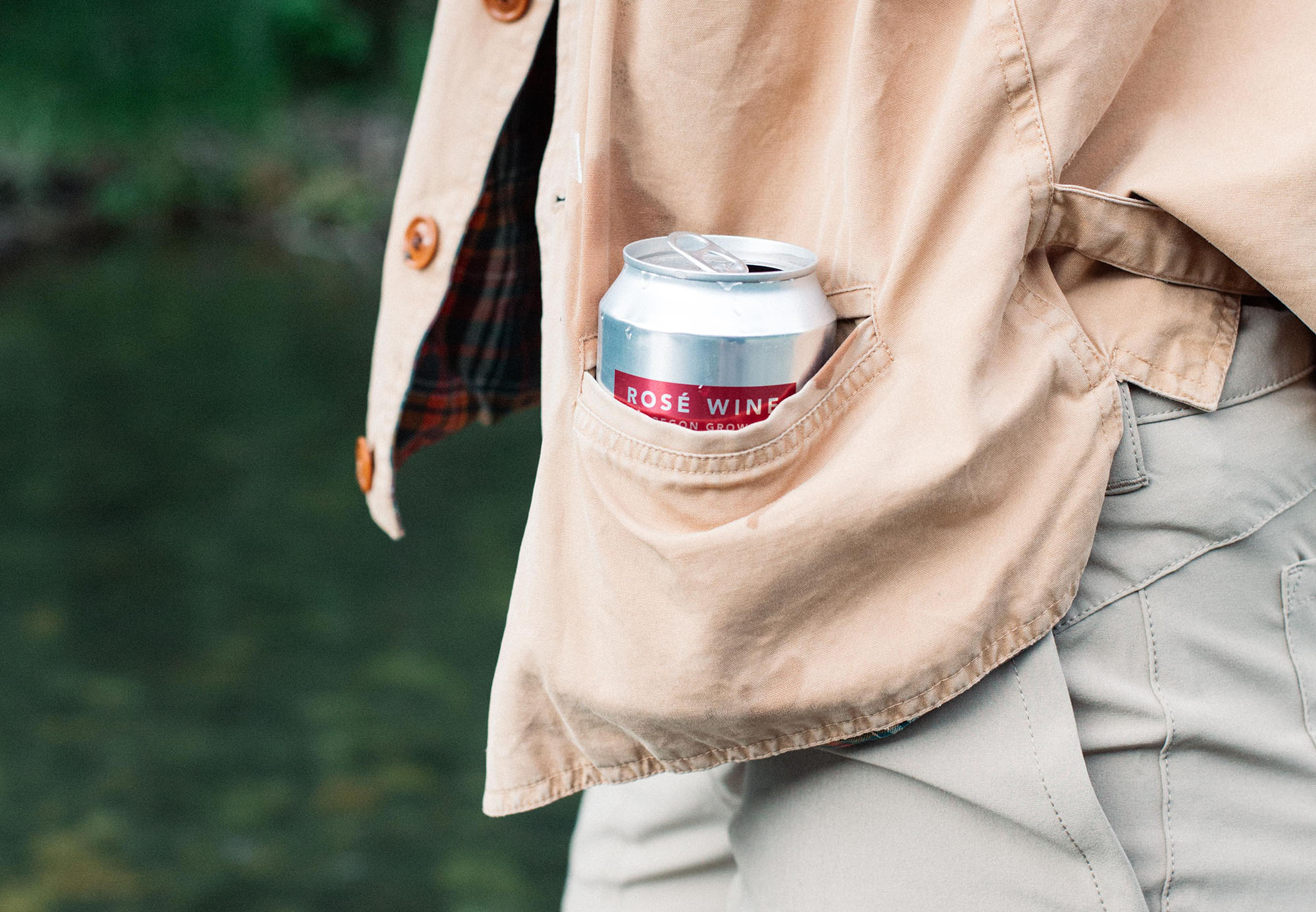
Local manufacturing
Our 355ml cans are manufactured domestically on the West Coast. The wines we do bottle use glass from the Owens Illinois plant right here in Portland — 80% recycled content, the highest of any glass facility in the country.

How We Farm
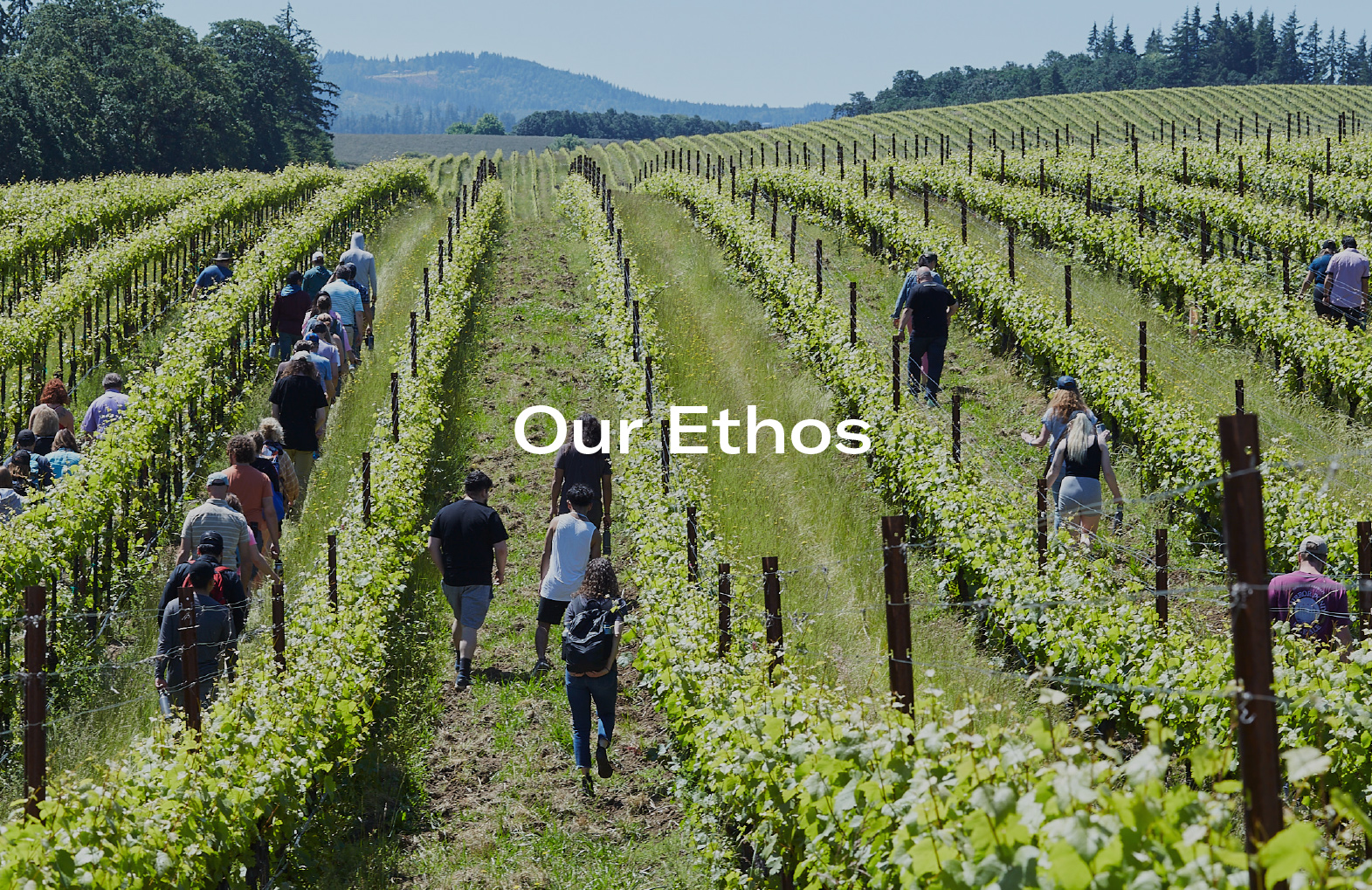
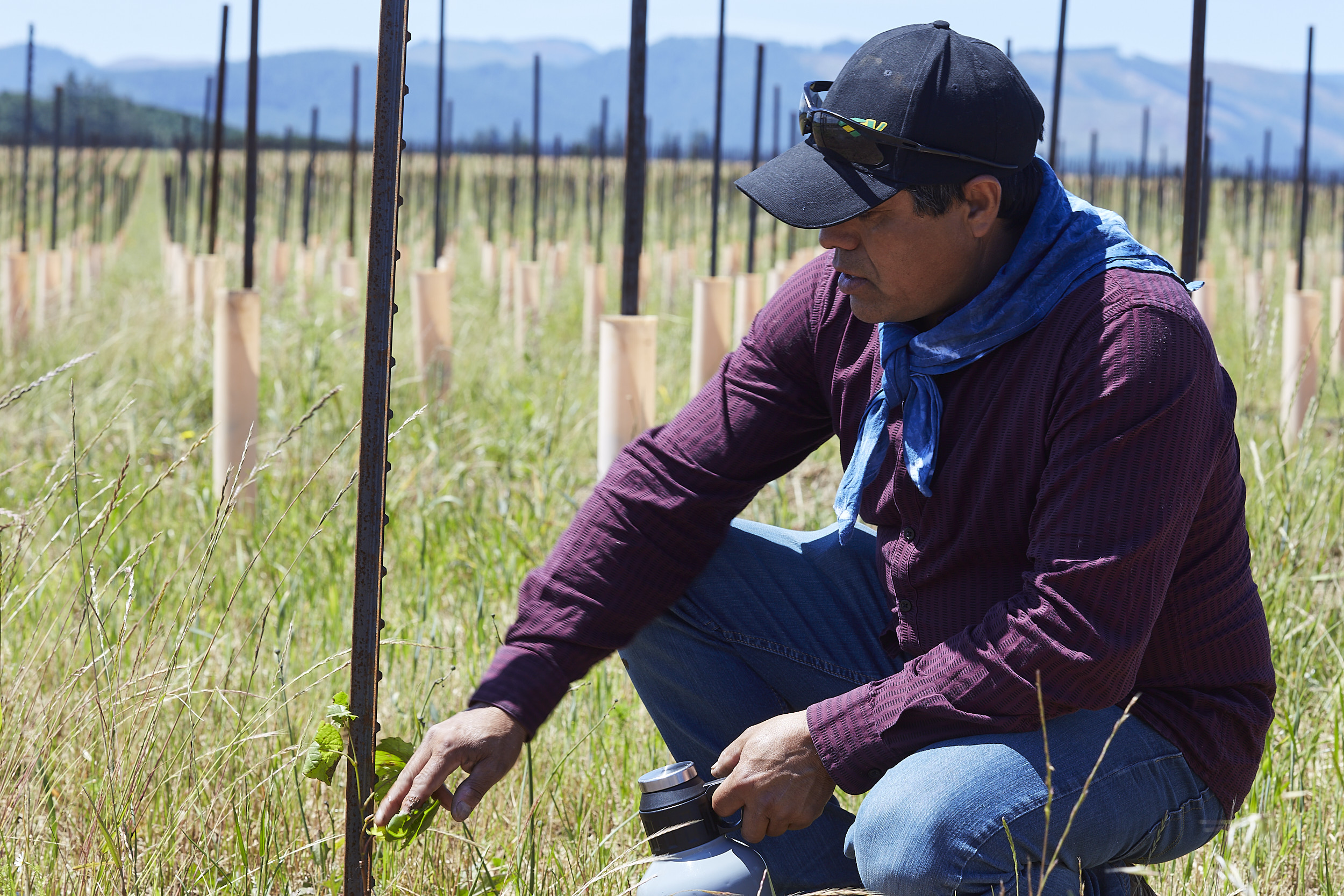
Our five estate vineyards aren't just sources of fruit. They're working ecosystems we're responsible for, and we farm them like we plan to pass them down, because we do.
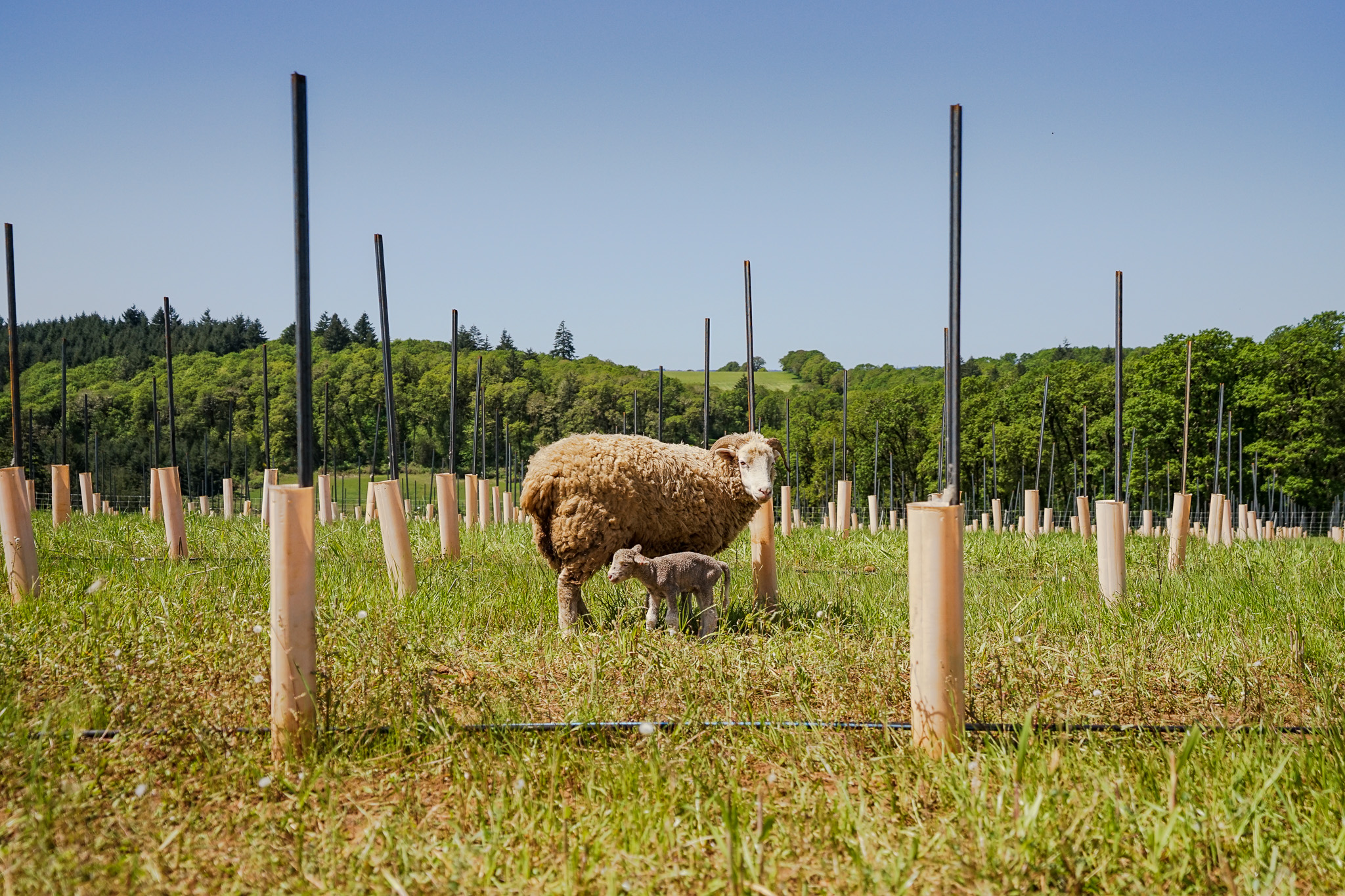
That long view shapes every practice. We use sheep for natural vegetation management on much of the land, reducing our reliance on mechanical tillage. The sheep graze down weeds and cover crops between the rows, and their light hoof traffic naturally breaks up surface compaction without disturbing the soil structure the way a tiller does. Their manure returns nutrients directly to the ground as they go, so we're managing vegetation and building fertility in the same pass, gentler on the soil and better for the land.
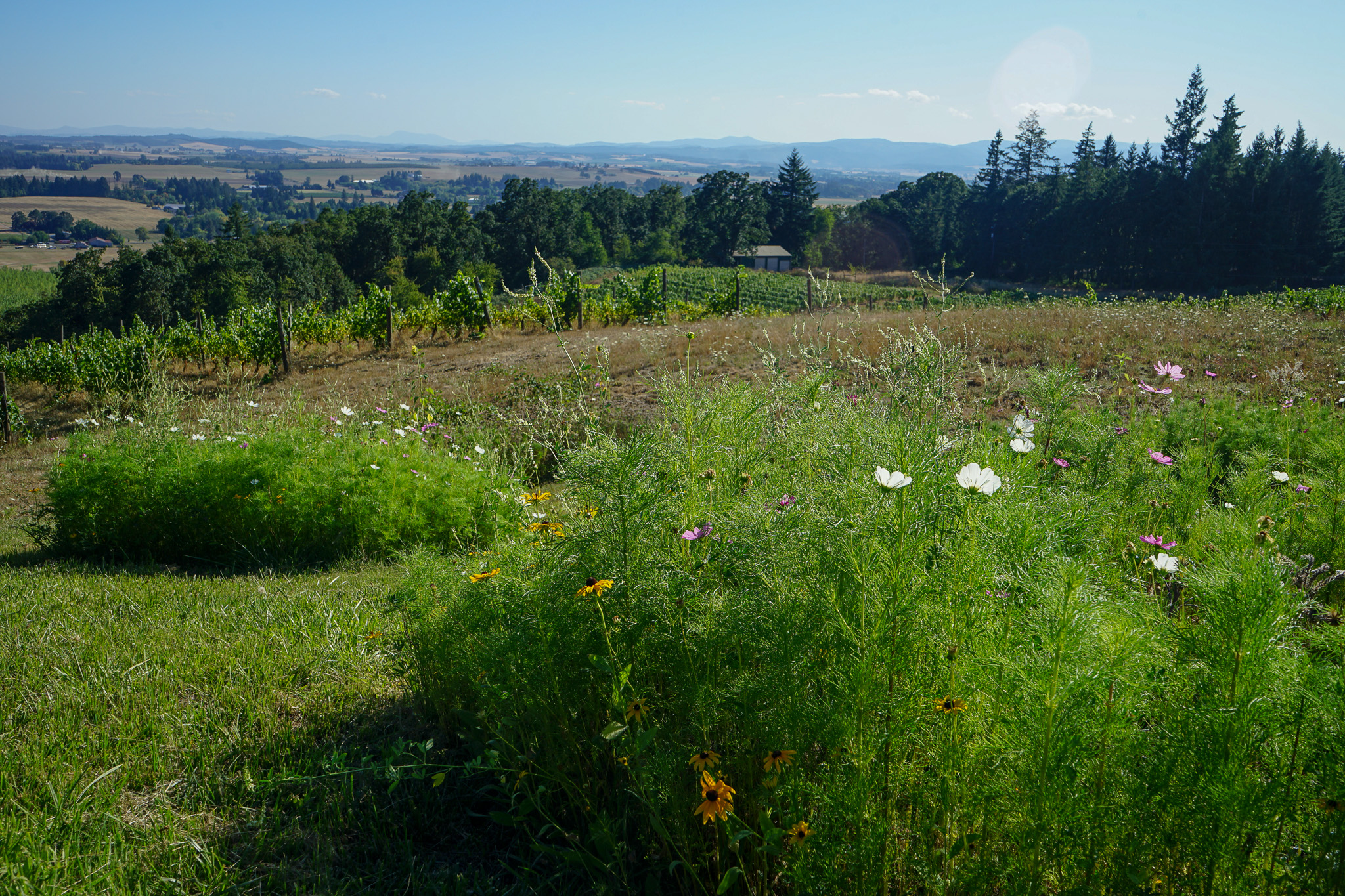
Pollinator islands and native plant corridors run throughout the properties, supporting beneficial insects, birds, and wildlife. Cover crop diversity and green manures, alongside ongoing efforts to reduce tillage where we can, keep the soil healthy across the seasons. When we recently pulled a block of old vines, we converted the wood into biochar instead of burning or hauling it off, and we're working it into a soil mix that will go back into the ground with the new plantings, turning the old vineyard into part of what feeds the next one. That same attention extends to water, with careful irrigation and protection of the streams and waterways that run through and around the land.
Giving Back
Protecting the places we love, and the people who live in them, takes more than individual effort. We've always believed partnerships amplify impact — and that helping the planet is, frankly, more fun with friends.

National Parks Conservation Association
We're serious about where we enjoy our wine. The NPCA is the only independent, nonpartisan organization devoted exclusively to National Parks advocacy; working to protect and enhance America's National Park System for present and future generations. Their mission aligns with ours: keep these places healthy and accessible for everyone.
In 2024, Union Wine Company donated $25,000 to NPCA. In 2025, Underwood is contributing an additional $15,000 and in 2026, $10,000 — a $50,000 total commitment over three years, with giving spread across our brand family.

A Long History of Strategic Partnerships
Our giving has always prioritized long-term partnerships over one-time gestures, and we select partners based on genuine mission alignment; environmental protection, social justice, and community access.
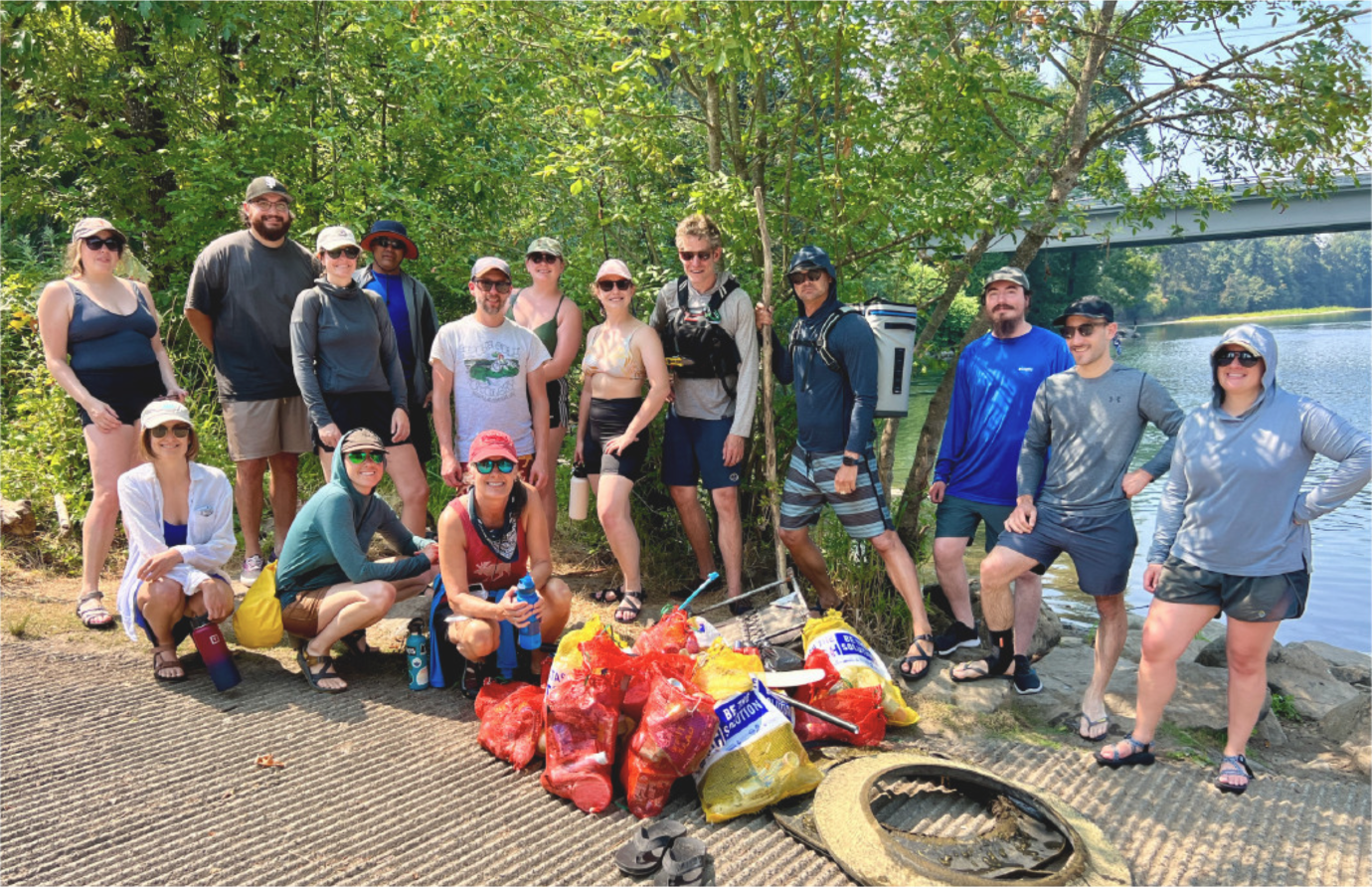
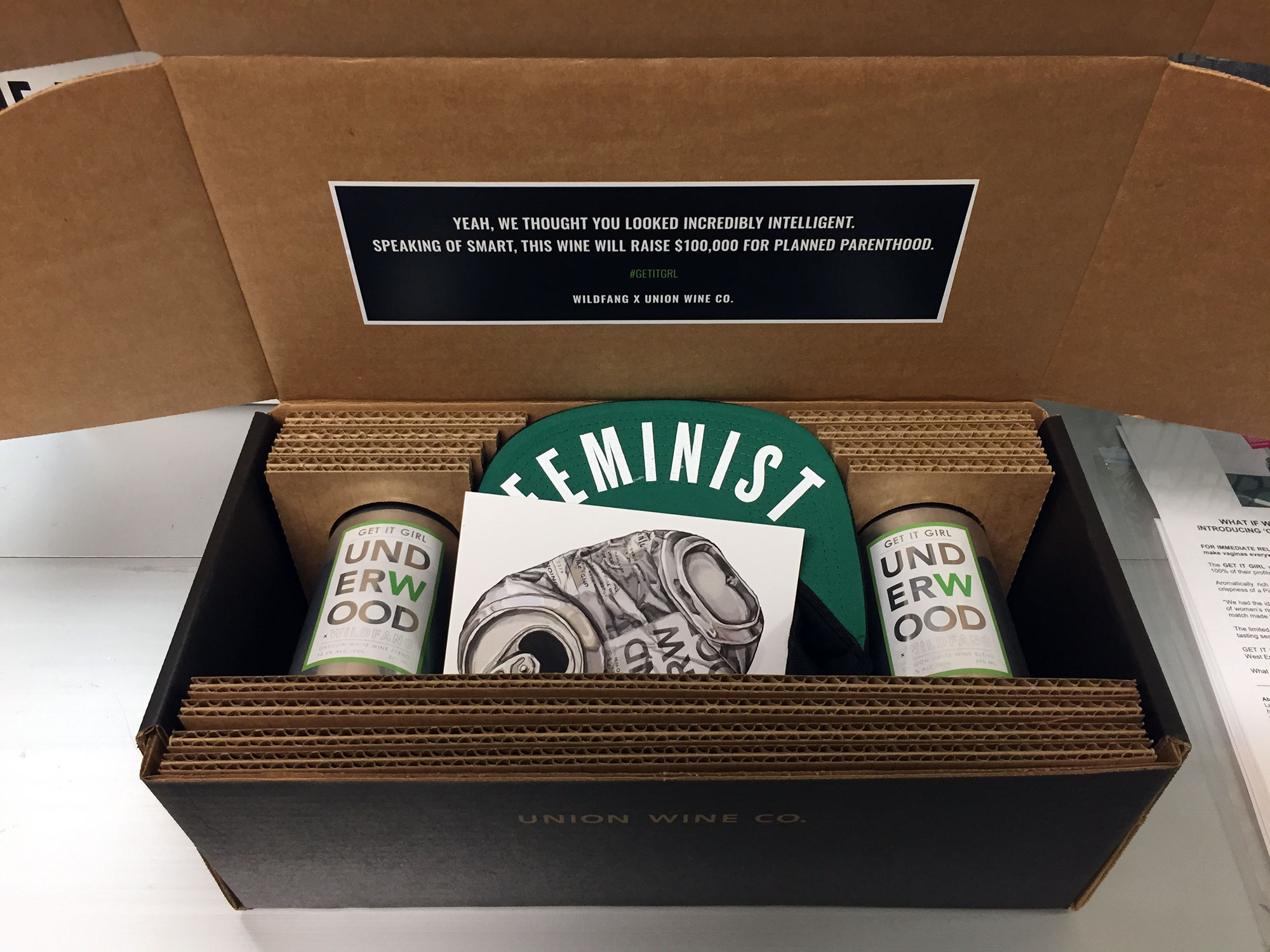
Past and current partners include: The Nature Conservancy, The Venture Out Project (expanding LGBTQ+ access to the outdoors), Planned Parenthood, Solve Oregon, and others working across the causes we care about most.
"We give a damn. About the wine, about the land it comes from, about the people who drink it, and about leaving things a little better than we found them."
— Ryan Harms, Founder & President
.png)